Kenaf Fiber Available Now
As of 8 August 2026 we have approximately 2 millions lbs.(1,000 tons) Kenaf Fiber by the ton for sale at $1,500/ton. Samples are also available for $75. Kenaf Fiber Sample With Free Shipping within the US
6 Soil Tools
Who, What and Why
Kenaf and Citrus Research Invitation
Picture this: a mature orange tree that everyone has given up on — leaves gone, bark dry, standing in a Florida field like a monument to hard times. Now picture someone laying chopped kenaf stalks around its base, stepping back, and watching something remarkable happen. In a South American country, that's exactly what occurred. A seemingly dead orange tree, surrounded by kenaf biomass, began to come back to life in a surprisingly short period of time. New growth. New color. New hope. That single observation is the spark behind an exciting and visionary **Kenaf and Citrus Research** initiative that could change the future of Florida's citrus industry — and we want you to be part of it.
Florida's citrus industry is hurting — there's no sugarcoating it. Over the last two years alone, the industry has suffered losses of approximately **$2 billion USD**. That's not just a number on a spreadsheet. That's family farms, generational livelihoods, and entire communities built around orange groves that once made Florida the citrus capital of the world. Drive through parts of central and south Florida today and you'll see abandoned orchards — rows of struggling or dead trees, land sitting idle, and people wondering what comes next. But here's the good news: we don't believe that land is finished. We believe it's waiting for the right solution. And that solution may already be growing in fields not far away.
So what exactly is kenaf, and why should you care? Kenaf (*Hibiscus cannabinus*) is a tall, fast-growing plant related to cotton and okra that can shoot up to 14 feet in just about 150 days. It's been cultivated for thousands of years and has over **25,000 documented uses** — from textiles and paper to animal bedding, building materials, and even wastewater treatment. **Kenaf fiber**, found in the plant's outer bark, is strong, versatile, and increasingly in demand. **Kenaf hurd**, the absorbent woody inner core, has shown remarkable potential in soil remediation and water filtration. Think of kenaf as nature's Swiss Army knife — incredibly useful, surprisingly tough, and ready to work hard wherever you plant it.

So, what happens next? The research plan is ready. The university partnerships are being formed. The cooperative is organized. The USDA seed protection program is on the calendar. The wastewater treatment plant connections are being made. What's needed now is *you* — your curiosity, your expertise, your land, your investment, your enthusiasm, or simply your willingness to ask *what if?* Whether you're a college professor who sees the potential for student research, a landowner with acres of idle citrus land, a city official looking for smarter water management, an investor seeking meaningful returns, a student ready to build a career that matters, or a media professional looking for a story worth telling — there is a place for you in this project. The door is open, the welcome mat is out, and the kenaf is ready to grow.
We warmly and enthusiastically invite you to reach out directly to the **Founder and CEO of Kenaf Partners USA** to have a real, friendly conversation about your interests, your questions, and your potential role in this exciting **Kenaf and Citrus Research** initiative. Whether you're drawn to the science, the business opportunity, the student research possibilities, the wastewater treatment applications, or simply the inspiring idea of watching a struggling tree come back to life — every question is a good question, and every conversation could be the beginning of something extraordinary. This is low risk, full of opportunity, and built to create regenerative results that last for generations. Don't wait to be part of something this good. Reach out today — the future of Florida's citrus country, its soil, its water, and its communities may very well grow from the seeds we plant together.

Now let's talk about **college staff and students** — because this is where the energy of this project really comes alive. We are actively reaching out to Florida universities and colleges, including **Hillsborough Community College**, to invite them in as true research partners. Imagine what this means for students: real-world, hands-on research in agriculture, environmental science, biology, chemistry, business, and more. This isn't a classroom simulation — it's actual field research with real stakes, real data, and outcomes that matter to real people and real communities. For college staff, the chance to lead or contribute to groundbreaking work that helps farmers, students, and communities is exactly the kind of meaningful, career-defining opportunity that doesn't come along every day.
For students specifically, let's talk about **Regenerative Careers** — because that's exactly what this project opens the door to. The kenaf industry is growing fast. The regenerative agriculture movement is expanding. Water treatment innovation is one of the hottest areas in environmental science right now. Students who get involved in this **Kenaf and Citrus Research** project at the ground floor aren't just completing a research assignment — they're building expertise, making industry connections, and positioning themselves for careers that will be needed and valued for decades to come. Whether your passion is soil science, environmental engineering, business development, or agricultural innovation, there is a meaningful role for you in this project. And the best part? You get to help people while you build your future.
Here's the core idea behind this **Kenaf and Citrus Research** project, and it's beautifully simple. We want to plant kenaf between the rows of abandoned and unproductive citrus orchards in Florida. As the kenaf grows, its root system works to break up compacted soil, restore organic matter, and — based on solid previous research — actively **remediate the soil**, even in cases where heavy metals and toxins are present. When the kenaf stalks are harvested and chopped, that biomass gets laid around the base of the citrus trees, just like it was done in South America. The potential result? Revived trees, healthier soil, and a brand-new income stream for landowners who thought their best days were behind them. Low risk. High potential. Real results.
Previous research has already shown us that kenaf is a serious soil healer. Studies have demonstrated kenaf's ability to pull heavy metals and toxins from contaminated soils through a process called phytoremediation — essentially, the plant cleans the ground as it grows. On top of that, kenaf improves soil structure, boosts microbial activity, and increases organic matter content. For citrus orchards damaged by years of disease, chemical treatments, and neglect, this kind of natural soil restoration isn't just helpful — it could be the turning point that brings those trees back to productive life. This is **research for rural, suburban and urban** communities alike, and the science behind it is genuinely encouraging.
Wastewater Treatment
Let's zoom in on the **wastewater treatment** connection, because it's one of the most exciting and practical parts of this whole plan. Research has shown that **kenaf hurd** — that absorbent inner core of the kenaf stalk — has real potential as a natural filtration and treatment material in wastewater systems. For treatment plant managers, this is a big deal. Right now, many facilities rely on expensive, often imported materials to do their job efficiently. Imagine replacing some of those materials with locally grown kenaf — harvested right here in Florida, processed nearby, and delivered fresh at a fraction of the current cost. That's not just environmentally smart; it's a genuinely powerful **Investment Strategy** for facilities looking to improve results, cut costs, and secure a reliable local supply chain.
Investors and City Managers
For **Investors and City Managers**, let's talk about the bigger financial picture. The kenaf industry is organized, growing, and backed by the top leaders in the U.S. kenaf sector who are partners on this very project. This is an inclusive, organized U.S. cooperative — not a speculative startup built on wishful thinking. Starting in 2026, a USDA kenaf seed protection program will take kenaf varieties through successive generations — F1 through F4 stabilization — creating reliable, high-performing seed lines with a protected and already-growing market. Multiple revenue streams include **kenaf fiber** sales, **kenaf hurd** for wastewater treatment, seed sales, and the potential revival of citrus production on previously abandoned land. That combination of diversified income, growing demand, and structured cooperative support makes this one of the most compelling low-risk agricultural investment opportunities available today.
City governments and water department managers, this paragraph is written just for you. Here's something worth thinking about: your city's primary income source is water supply and wastewater treatment. Anything that makes that system more efficient, more cost-effective, and more reliable directly benefits your budget — and your residents. Locally sourced **kenaf hurd** as a treatment material has the potential to do exactly that. Instead of depending on distant suppliers with unpredictable pricing and availability, imagine sourcing a high-quality, research-backed treatment material from Florida farms just down the road. The **Kenaf and Citrus Research** project is designed to study this connection directly, working with nearby wastewater treatment plants to test and document kenaf's real-world effectiveness. This is **research for rural, suburban and urban** water systems — and the results could benefit communities across the state.
Here's something that makes kenaf stand out even in a crowded field of alternative crops: its advantages over hemp. Hemp has gotten a lot of attention as a versatile fiber crop, and rightfully so — but it comes with significant regulatory restrictions, especially around cross-pollination with cannabis plants. Kenaf has **no cross-pollination restrictions** whatsoever. It can be grown near hemp without any regulatory problems, and farmers have far more freedom to choose growing locations. In a state like Florida, where land availability and regulatory flexibility are critical factors, kenaf's practical advantages are real and immediate. For investors comparing options, this freedom from restriction is a meaningful differentiator that reduces risk and expands opportunity significantly.

Land Owners of Citrus Groves
Let's talk about the landowners of citrus groves— because if anyone deserves a reason to feel hopeful right now, it's you. Your land isn't worthless. It's not finished. It's waiting. The idea of planting kenaf between those rows of struggling trees isn't just an experiment — it's a genuine pathway back to profitability. Kenaf grows fast, requires relatively modest inputs, and produces a crop with an expanding market and over 25,000 uses. Even if the citrus trees take time to recover, the kenaf crop itself generates income. And if the trees *do* come back — as that South American example powerfully suggests they might — you've got two income streams instead of one. That's the kind of regenerative result that turns a problem into an opportunity and a burden into an asset.
The soil story is one that doesn't get told often enough, and it's central to everything this project is trying to accomplish. Healthy soil is the foundation of healthy crops, healthy ecosystems, and healthy communities. Decades of intensive citrus farming, disease pressure, and chemical treatments have left many Florida soils depleted and damaged. Kenaf is a natural soil builder. Its deep root system breaks up hardpan layers, improves drainage, and feeds the beneficial microorganisms that make soil come alive again. When kenaf biomass is returned to the soil — as chopped mulch around tree bases or as compost — it adds organic matter and nutrients that help the entire ecosystem recover. This is regenerative agriculture in its most practical, accessible, and exciting form: using a plant to heal the land so the land can produce again.
Community
This project is also a story about **community** — and that matters just as much as the science and the economics. The citrus industry isn't just an agricultural sector; it's a cultural identity for Florida. The farms, the families, the towns built around those orange groves — all of it is worth fighting for. The **Kenaf and Citrus Research** initiative is designed from the ground up to benefit rural landowners, suburban communities, and urban residents alike. Farmers get a new crop and a chance to revive their orchards. Communities get cleaner water and stronger local economies. Cities get more efficient and affordable water services. Students get careers. Investors get returns. This is truly **research for rural, suburban and urban** Florida — and the ripple effects of success here could reach far beyond state lines.
Philanthropists and Mission-Driven Investors
Philanthropists and mission-driven investors, here's your moment. Sometimes the most powerful investments aren't purely about financial returns — they're about legacy. Supporting this project means supporting Florida farmers who are holding on by a thread. It means supporting students who are searching for meaningful, lasting careers. It means supporting communities whose water systems need smarter, more affordable solutions. And yes, it also means supporting a financially sound, well-organized cooperative with a clear roadmap, seed protection programs, university partnerships, and multiple revenue streams. The kenaf industry's expanding market combined with the community impact of this project makes it a rare opportunity to do good *and* do well at the same time. That combination is genuinely worth your attention and your investment.

Media
Media partners — we're talking to you too, and we genuinely need your voice. The story of a plant that can revive a dying tree, clean contaminated soil, help treat wastewater, and create lasting careers for students is exactly the kind of hopeful, solutions-oriented story that people are hungry for right now. We are actively inviting media partners to follow this project from its earliest stages, documenting the research, the results, and the people whose lives are being changed by it. Transparency is a core value of this initiative. We want the world to see what's happening in these Florida orchards, and we want the story told honestly, enthusiastically, and in a way that inspires other communities, other states, and other countries to ask: *Could we do this here too?
Why Now?
Let's take a moment to appreciate just how well-timed this initiative really is. The kenaf industry is at an inflection point — demand is rising, awareness is growing, and the infrastructure to support a serious national market is being built right now by the top leaders in the U.S. kenaf sector. The USDA seed protection program launching in 2026 will create stable, reliable seed lines that farmers and researchers can count on year after year. The cooperative structure ensures that everyone involved — farmers, researchers, students, investors, city officials — has a stake in the outcome and a voice in the direction. Getting involved now, at this early and formative stage, is the kind of ground-floor opportunity that people look back on years later and say, *I'm glad I said yes when I had the chance.
Just a Thought?
Here's a thought that ties everything together beautifully. What if the solution to Florida's citrus crisis was never going to come from a laboratory or a government program alone — but from the soil itself, guided by a plant that humans have relied on for thousands of years? Kenaf doesn't need to be invented. It doesn't need to be engineered. It just needs to be planted, tended, harvested, and understood. The **Kenaf and Citrus Research** project is about doing exactly that — with scientific rigor, community partnership, and genuine enthusiasm for what's possible. It's about giving the land a second chance, giving farmers a second chance, and giving students a first chance at careers that truly matter. That's a vision worth getting behind.

The Cooperative and Regenerative Model
The cooperative model at the heart of this project is worth highlighting because it's one of the things that makes this initiative truly unique and genuinely trustworthy. This is not a top-down corporate venture where a handful of people at the top benefit while everyone else does the work. This is an **inclusive organized U.S. cooperative** where farmers, researchers, students, investors, city officials, and community members all have a real stake in the outcome. The top leaders in the U.S. kenaf industry have come together around this project specifically because they believe that collaborative, community-centered approaches build the most durable and meaningful results. Everyone brings something to the table. Everyone benefits from the results. That's not just good ethics — it's good business.
When you step back and look at the full picture — the South American tree that came back to life, the $2 billion in citrus losses, the abandoned Florida orchards, the growing demand for **kenaf fiber** and **kenaf hurd**, the wastewater treatment potential, the student career opportunities, the investor upside, and the community benefits — what you see is something genuinely rare: a single, well-organized research initiative that addresses multiple serious problems at once, with low risk, lots of opportunity, and regenerative results built right into its design. This truly is, as one visionary in this space put it, *the beginning of what I can envision as a workable foundation to long-term stability in an ever-changing world.* And that foundation starts right here, right now, in the orchards of Florida.
Email Bob or call 727-831-5778
Announcement
Yields per acre are determined by several factors, and yield estimates are based on what we have experienced so far throughout the US with our Whitten kenaf seed a MediumMaturingKenafSeed.
6-12 tons / acre with 60% wood core and 40% fiber. These are estimated dry weights.
Whitten kenaf seeds can be ordered now for the 2027 US growing season.
If you are ready to order Whitten kenaf seeds now, click on the link below or call 727-831-5778
Whitten Kenaf Seeds 2000 pounds
Order deadline for the 2027 growing season is 1 January 2027 or until sold out.
Who could benefit from the use of one or more of these soiltools? Any farmer, fisherman, city water supply manager, human, animal and even governmental agencies.
What do these soiltools do? Well, they can improve soil health, build more soil, prevent the loss of soil, reduce toxins in the soil and more.
Why would anyone benefit from the use of these SoilTools? Soil is very much related to water in relation to climate, watershed, pollution, food and the natural laws of balance in nature that all life depends on. Without this balance, things start deteriorating and eventually are gone.
The "Laws of Mother Nature" when followed provide abundance in a regenerative life cycle.
Law of the Rights of Mother Earth
The law defines Mother Earth as "...the dynamic living system formed by the indivisible community of all life systems and living beings whom are interrelated, interdependent, and complementary, which share a common destiny; adding that "Mother Earth is considered sacred in the worldview of Indigenous peoples and nations.
In this approach human beings and their communities are considered a part of mother earth, by being integrated in "Life systems" defined as "...complex and dynamic communities of plants, animals, micro-organisms and other beings in their environment, in which human communities and the rest of nature interact as a functional unit, under the influence of climatic, physiographic and geologic factors, as well as the productive practices and cultural diversity of Bolivians of both genders, and the world views of Indigenous nations and peoples, intercultural communities and the Afro-Bolivians. This definition can be seen as a more inclusive definition of ecosystems because it explicitly includes the social, cultural and economic dimensions of human communities.
The law also establishes the juridical character of Mother Earth as "collective subject of public interest", to ensure the exercise and protection of her rights. By giving Mother Earth a legal personality, it can, through its representatives (humans), bring an action to defend its rights. Additionally, to say that Mother Earth is of public interest represents a major shift from an anthropocentric perspective to a more Earth community based perspective.
an·thro·po·cen·tric/ˌanTHrəpəˈsentrik/
adjective regarding humankind as the central or most important element of existence, especially as opposed to God or animals.
What does Mother Nature do for us?
There is no question that Earth has been a giving planet. Everything humans have needed to survive, and thrive, was provided by the natural world around us: food, water, medicine, materials for shelter, and even natural cycles such as climate and nutrients.
SoilTools 1
Soil Testing
In some cases all 6 tools will make sense, are doable now and will result in your success. If this is the case start out with those you are comfortable with. In all cases for farmers start out with my Logan Labs so you know what you are actually starting with.
But what if you cannot afford to do all 6 or all 6 don't seem to apply to your scene? I would recommend soil testing in the fall or before you plant in the spring. Schedule this testing each year. Why? Because you will know what you need to plan for in the future and can begin preparing for it.
Also if budget is a challenge or a concern, SoilTools 6 may save you money and improve yield at no extra cost.
SoilTools 3
Key-Line Plow
The keyline plow is another one of the SoilTools, and is a high quality specialized sub-soiler tool that helps build top soil from the bottom up. Compacted and clay soils can get a jump start and speed things up when using a keyline plow on contour.
This is one of the soil tools that is gaining popularity over drain tiles and drainage ditches, because not like drain tiles that only address flooding, it makes it possible to store more water in your soil where your crops need it.
Erosion being a factor in the loss of top soil, the keyline plow when used on contour can reduce the losses and when used with cover crops may eliminate erosion completely, even during extreme weather events.
In the U.S. there is at least one keyline plow in most states. When you understand that surrounding fields farmed by your neighbors are part of a watershed and could affect your fields, having a keyline plow to help them becomes important to you and all of your neighbors.
Consider a keyline plow before adding expensive irrigation and drainage systems and let nature and weather do the work for free.

SoilTools 4
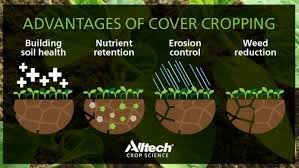
Cover-Crops
Check out the video below with Gabe Brown suggested SoilTools and then visit his Soil Health University web site for workshops.
And/Or
Visit Brown's Ranch "Regenerating Landscapes for a Sustainable Future" for information, services and tours.
And/Or
Checkout the Smart Mix selection made just for you.
SoilTools 5
No Till/Little Till
There is a wealth of information available on this subject. Get books, videos and audio here.
SoilTools 6
Proper Seed Spacing
and More
Here is some good advice from Francis Childs, an Iowa farmer who won the National Corn Growers Association yield contest with a world record corn yield of 442 bushels per acre using one of these SoilTools.
Kenaf as a Soil-Tool
Kenaf can also be added as one of these SoilTools.
1. Soil remediation while growing. There is plenty of research on this. Here is one on kenaf.
Kenaf Partners USA would like to help get more kenaf planted each year throughout the U.S., eventually having enough kenaf seed produced here, to supply corn, soy and cotton farmers with the seed quantities they need and want for use as a rotational cash crop.
Because kenaf growing in these fields across the U.S. will result in a substantial lowering of fertilizer, herbicides and pesticides in the soil, this alone will help improve soil health our environment and the health of our bodies.
Conclusion
As you can see each of these SoilTools have had improvement in one or more areas. I urge you to work out your strategy to implement all of them as soon as possible. The USA has been a leader for others around the world and our standards have been high. Lets not compromise on this and keep the bar high with each of these SoilTools. Together we can change the world.